Nobody Wears Pantyhose to the Office Anymore. So Why Can't We Stop Buying It?
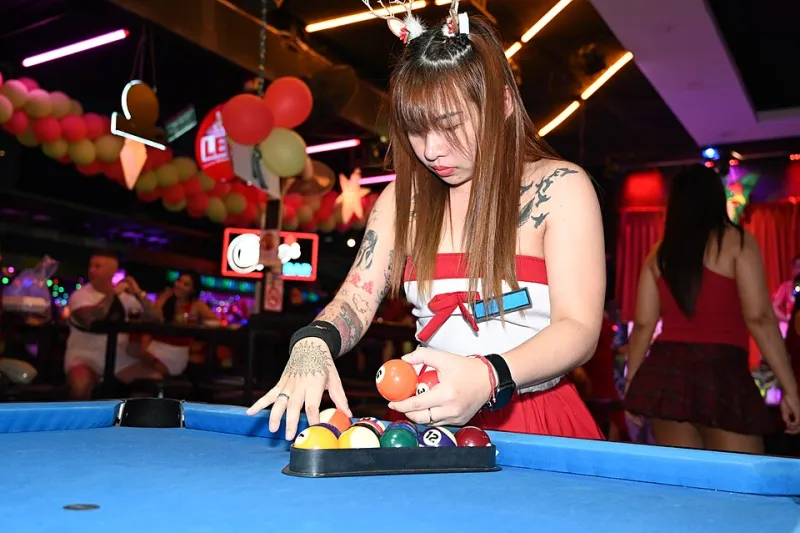
Photo: PattayaPatrol, CC BY-SA 4.0, via Wikimedia Commons
For thirty years, the pantyhose industry was locked in a slow-motion collapse. Sales peaked in the mid-1990s and then fell, decade after decade, as casual office wear spread and bare legs became the corporate default. Obituaries were written. Analysts shrugged. Pantyhose, everyone agreed, was your grandmother's garment — a symbol of a dress-code era when women's legs were subject to workplace regulation.
Then, sometime around 2021, the obituary turned out to be premature. Legwear sales rebounded sharply. Hosiery content exploded on TikTok, where sheer tights videos rack up millions of views. Runways from New York to Milan sent models down in glossy 20-denier sheers, fishnets, and patterned tights paired with everything from miniskirts to tailoring. Gen Z, the demographic that killed the office dress code, is now the fastest-growing hosiery buyer in America.
What happened? The answer says something interesting about work, gender, and who gets to decide what a pair of legs means.
From Uniform to Choice
The old pantyhose economy was built on obligation. Sheer hosiery was a workplace requirement for generations of American women — bare legs were considered unprofessional, even slightly transgressive. When dress codes relaxed in the 2000s and 2010s, hosiery collapsed precisely because it had never been a want. It was a tax.
What's booming now is different in kind, not just degree. Today's legwear buyer isn't complying with a memo. She's styling. Fishnets under denim shorts. Red tights with a black mini dress. Sheer stockings as a deliberate retro-feminine statement, worn because they look good, feel good, or photograph well — not because HR insists.
That distinction sounds subtle, but it changes the entire product. A garment worn under compulsion gets bought cheaply and resented. A garment worn for self-expression gets bought repeatedly, in colors, in deniers, in brands. It becomes fashion, and fashion, unlike uniforms, has margins.
The TikTok Effect
Social media did the rest. The 'officecore' aesthetic that swept TikTok — pencil skirts, kitten heels, sheer hosiery, all worn by creators who will never set foot in a corporate office — turned the old uniform into costume, and costume into content. On platforms built around visual identity, legs became a canvas, and legwear became one of the cheapest, most versatile ways to transform a look.
There's also a psychological layer worth naming. When something shifts from "required" to "chosen," its meaning inverts. The same pair of sheer tights that read as conformity in 1995 reads as confidence in 2024. Researchers who study fashion psychology have long noted that garments perceived as chosen carry different emotional weight than garments perceived as imposed — and that audiences can sense the difference. Hosiery didn't change. The consent around it did.
What This Means for Creators and Brands
For the leg-focused content world, the implications are straightforward. The audience for legwear content is no longer a niche defined by the garment — it's a mainstream fashion audience that discovered legwear through style content and stayed for everything else. That's an enormous funnel.
For brands, the lesson is to stop marketing hosiery as polish or professionalism. The winning positioning is personality: color, texture, transformation, mood. The brands riding this boom — from legacy hosiery houses to indie labels — are the ones treating tights like lipstick, not like office supplies.
And for creators, the paradox is an opportunity. Legwear has been uncoupled from its old context and reattached to something more durable: desire, identity, play. A garment that survives the death of the rule that created it isn't dying. It's being reborn — on its own terms this time.
The office didn't save pantyhose. Freedom did. And honestly, that's a better story.